
The call for proposal to participate to the next International Digital Storytelling Conference, hosted by the Museu da Pessoa in Brazil from the 6th to the 8th November 2025, has just been published.
There is time until the 15th of February to submit a proposal and you can read all the key information below.
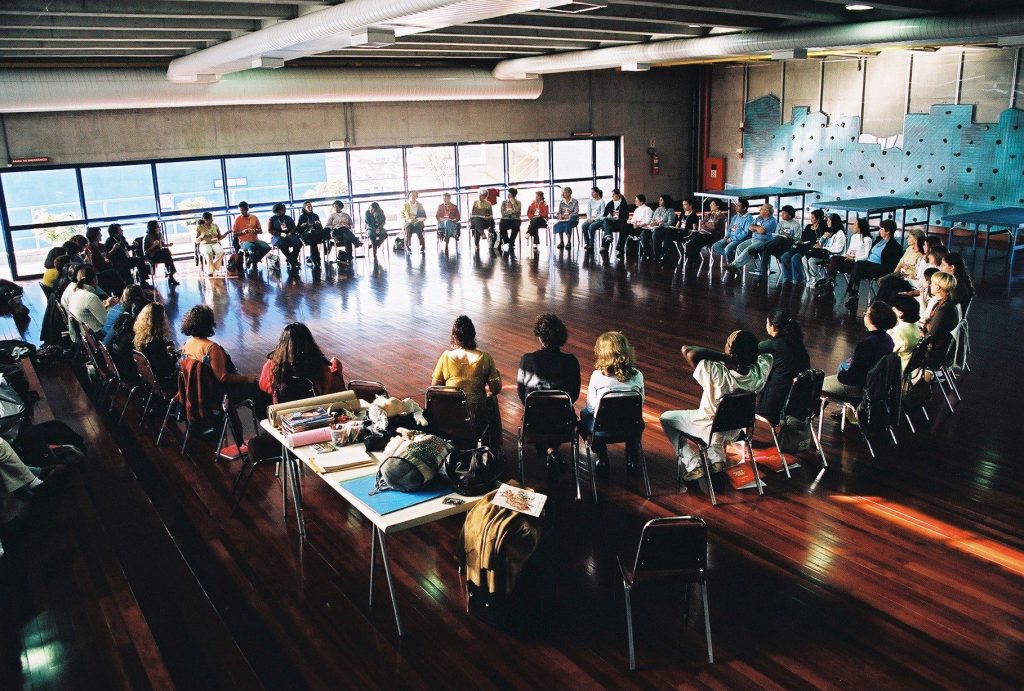
The conference theme, Lives, Voices, and Knowledge in a World on Fire, focuses on the climate crisis and the many ways storytelling can help us think about, observe, and address the interconnected challenges reshaping our world. The gathering invites us to examine how storytelling can drive meaningful dialogue and action around the intersecting crises that define our era.
To frame your proposals we encourage you to consider these thematic tracks. These tracks represent key lenses for exploring how personal narratives, collective experiences, and shared knowledge can inform and inspire action in response to the world’s most pressing social and environmental challenges:
- Mobilizing Culture for Climate Action : Culture and heritage are powerful tools for addressing climate change, offering communities invaluable resources to take transformative action. This track examines:
- Cultural practices and storytelling in collective climate action.
- How culture and storytelling can inspire climate-resilient futures.
- Storytelling and culture as a tool for intergenerational knowledge transfer.
- The role of heritage in helping communities adapt to climate change, preserving traditions while fostering resilience in the face of environmental challenges.
- Personal stories as a source of knowledge.
- Science and traditional knowledge- the meeting of perspectives and lives.
- Indigenous Lives and Biocentrism : Indigenous communities serve as vital stewards of the environment, and they are also profoundly impacted by climate change. Drawing on generations of traditional knowledge to protect and sustain ecosystems, this thematic track combines elements of Indigenous wisdom and biocentrism to explore:
- The impacts of climate change on Indigenous lands and livelihoods.
- Traditional ecological knowledge as a foundation for environmental and climate solutions.
- Indigenous leadership in environmental activism and resilience.
- How storytelling can shift perspectives from anthropocentrism to biocentrism, highlighting the intrinsic value of all living beings and ecosystems.
- The role of biocentrism in advocating for climate justice and biodiversity protection.
- Innovation in Participatory Media/ Digital Storytelling in Sustaining Healthy Communities Participatory media serves as a catalyst for innovation, empowering communities in their processes of well being and sustainability. This track emphasizes the critical role of participatory media/digital storytelling as a driver of creative solutions, resilience, and community-led sustainability efforts in an ever-changing world:
- The development of innovative curriculum, process engagement, and methods to advance learning and enable communities.
- Leveraging participatory media/digital storytelling to highlight and address local challenges, and inspire collective action toward sustainable solutions.
- Using our methodologies to build coalitions of educators, cultural practitioners, and sustainability advocates to co-create strategies for thriving communities.
- Latin America and Memory – Building Networks for Social, Cultural and Environmental Justice : Latin America’s colonial legacy suppressed entire cultures and cosmogonies, many now fragmented or invisible. Yet, these legacies persist, intertwined in people’s lives, constantly reshaping and reinventing themselves, offering powerful narratives to address local and global social and environmental challenges. This track examines:
- How cultural memory informs responses to climate change and social injustice.
- Storytelling as a way to rediscover shared histories and cross boundaries.
- Building networks that link local struggles to global climate movements, empowering communities to collaborate and amplify their voices in the fight for climate justice.
Conference Formats
Contributors are invited to share their work in the following formats:
- Academic, research-based papers : Present your research related to the conference theme. Each session will consist of four 20-minute presentations, followed by a Q&A. Selected papers may be considered for conference proceedings or journal publication.
- Stories About A Story : 8 minute Presentation – People share one media piece (digital story or short documentary) of no more than 4 minutes, and 4 minutes to articulate a specific point of view about the context and impact of the media piece/digital story .
- Workshops : These 90-minute sessions should engage participants in hands-on and interactive experiences designed to deepen understanding of the conference theme, promoting skill-building and collaboration.
- Panels : Curate a panel of experts to discuss a common topic. Each panel will last 45 minutes.
- Cultural Presentations: Showcase cultural expressions, performances, or artistic interpretations related to the conference theme. This format encourages creativity and engagement, allowing for interactive elements such as storytelling, music, or visual art.
Conference Formats
- Submit a 250-word abstract detailing your proposal, including the preferred presentation format (from the options above).
- Abstract submission deadline (Global North): February 15th, 2025
- Abstract submission deadline (Global South): March 15th, 2025
- Notification of acceptance: On a rolling basis until April 1st, 2025
There will also be an online gathering hosted by StoryCenter on the 31st of October and the 1st of November.
For more information, you can access the Conference website via this link: dst2025.org
 Antonia Liguori / Participatory Storytelling