“Caravan of Civilizational Tales” and the Power of Connective Imagination

I had the privilege of contributing the Foreword to “Caravan of Civilizational Tales”, a peace-centred anthology conceived and curated by Melika Tabrizi, founder of the Silky Land Storytelling Institute. A writer, storyteller, playwright and tireless champion of peace-making, Tabrizi has brought together voices from multiple countries in a project inspired by Iran’s historic caravanserais, transforming these ancient spaces of encounter into a contemporary dialogue about culture, connection and peace. The book was officially launched in Tehran on the International Day of Peace.
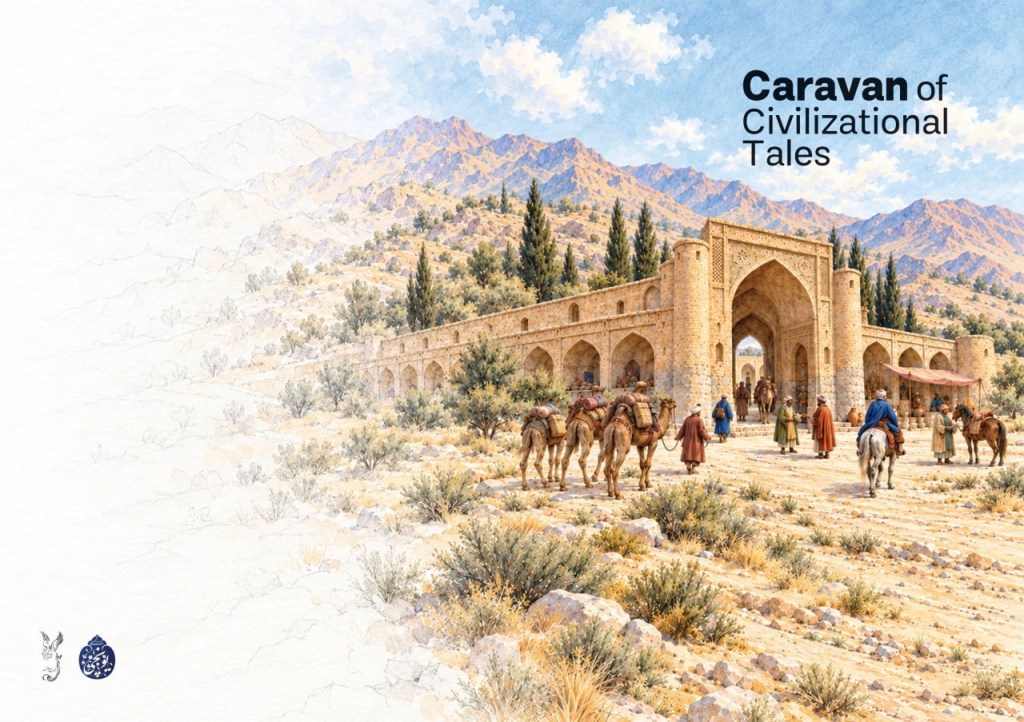
While writing the Foreword, I found myself reflecting on what storytelling can offer in a world increasingly shaped by division, conflict and uncertainty. This led me to explore the definition of the process of storytelling as social act of “connective imagination“. Not just “collective” through the telling-listening loop, but “connective” as a driver for social justice.

By connective imagination, I mean our ability to engage with lives, experiences and perspectives beyond our own. The ability not only to understand, but also to feel and see thorugh someone else’s heart and eyes, even where we perceive ‘distance’. Stories allow us to travel across cultural, linguistic and geographical boundaries, not by erasing difference but by creating opportunities to encounter it. Through storytelling, we are invited to listen, reflect and imagine relationships that extend beyond the limits of our immediate experience.

Continue reading ““Caravan of Civilizational Tales” and the Power of Connective Imagination”
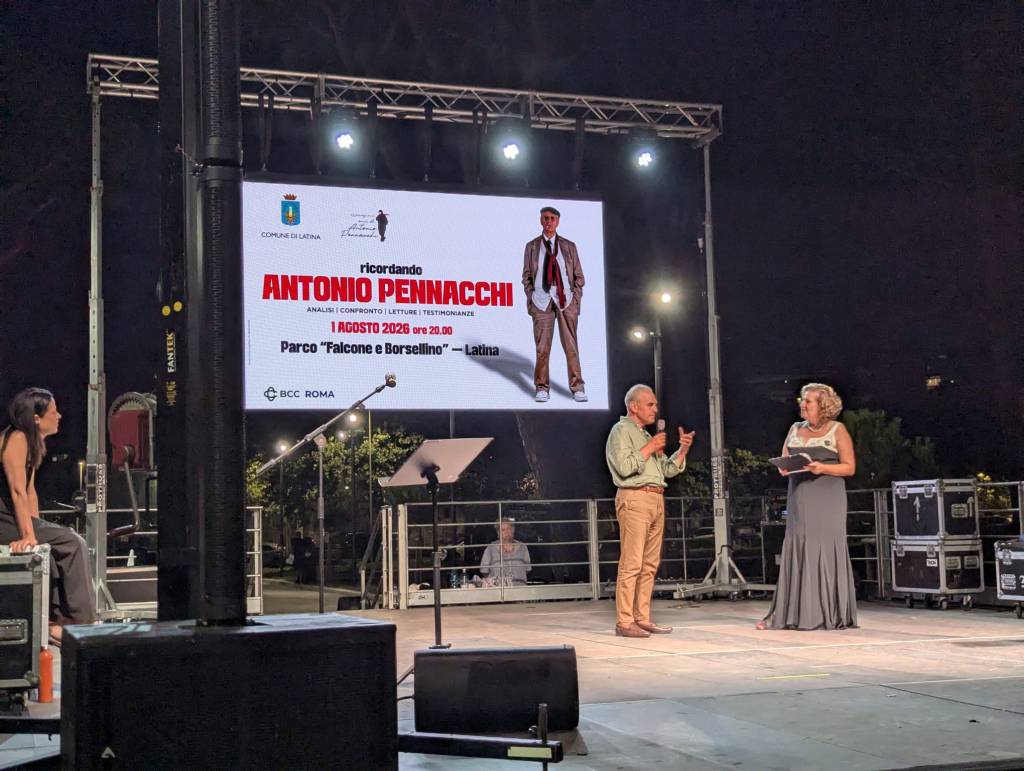
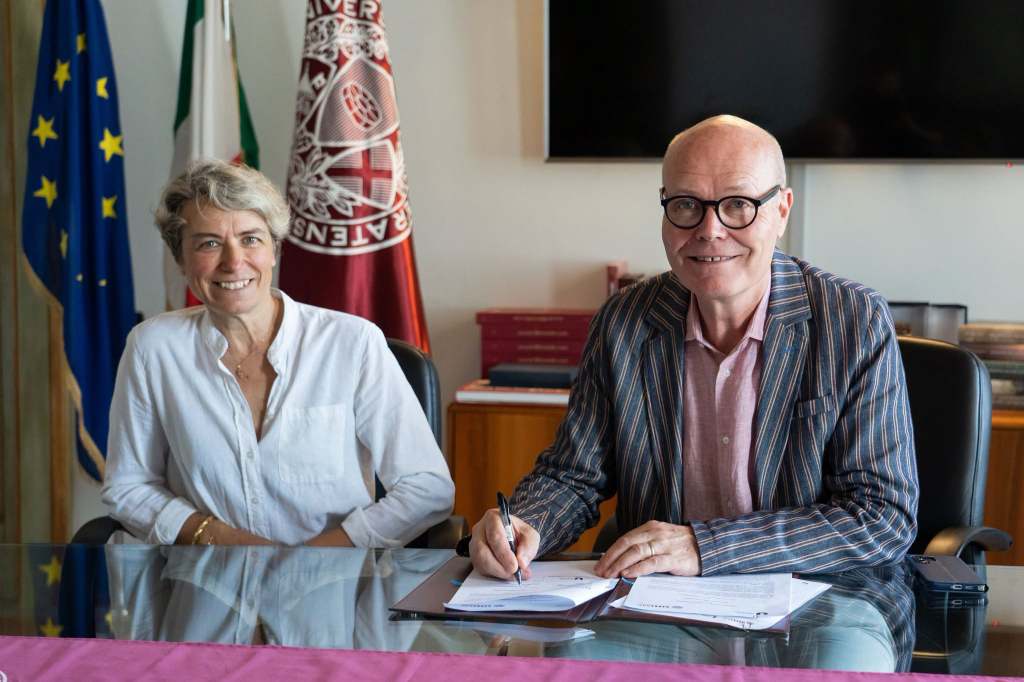
Remembering Antonio Pennacchi: Storytelling, Disruption and the Courage to Hold Many Voices

Yesterday, Pietro Antonelli and I returned to our hometown of Latina to take part in an event celebrating the life and legacy of Antonio Pennacchi, organised by Marco Ragonese, Graziano Lanzidei and “L’Associazione Amici di Antonio Pennacchi” and presented by Daniela Novelli. It was much more than a commemorative occasion. It was an opportunity to revisit a chapter of our lives and to remember a remarkable writer before he became one of Italy’s most celebrated literary voices.

Today, Antonio is rightly remembered as the winner of the prestigious Premio Strega for Canale Mussolini and as one of the writers who most profoundly explored the complexities of Italy’s twentieth-century history. Yet our memories go back to a different time, when his extraordinary talent was already unmistakable but had not yet reached the wider public.

Pietro Antonelli remembering Antonio Pennachi’s years at “La Piazza”

Those years were formative for many of us.

Pietro, then Founder and Editor-in-Chief of La Piazza and later Il Settimanale di Latina, recognised Antonio’s distinctive voice and invited him to collaborate with the newspaper. Between 1999 and 2001, Antonio worked with us as part of his journalistic practice, eventually obtaining his membership of the Ordine Nazionale dei Giornalisti. Long before literary prizes and national recognition, he was already writing with the uncompromising honesty and intellectual courage that would later define his novels.

Looking back, however, I realise that Antonio’s story cannot be separated from another story: that of La Piazza itself.

Continue reading “Remembering Antonio Pennacchi: Storytelling, Disruption and the Courage to Hold Many Voices”

Building Bridges: A New Partnership Between Teesside University and the University of Macerata

This week marked an important milestone in a journey that began almost a year ago with conversations, shared interests, academic exchange and a growing recognition that two universities from different countries had much to learn from one another.

I am delighted to share that Teesside University and the University of Macerata have formally signed a Memorandum of Understanding (MoU), creating a framework for collaboration in research, education and knowledge exchange. To formalise the MoU, I had the pleasure to meet Professor John McCourt, Rector of the University of Macerata and discuss more in detail the next phase of our collaboration. The partnership will support joint research projects, staff and student mobility, collaborative publications and new opportunities for international engagement.

Continue reading “Building Bridges: A New Partnership Between Teesside University and the University of Macerata”

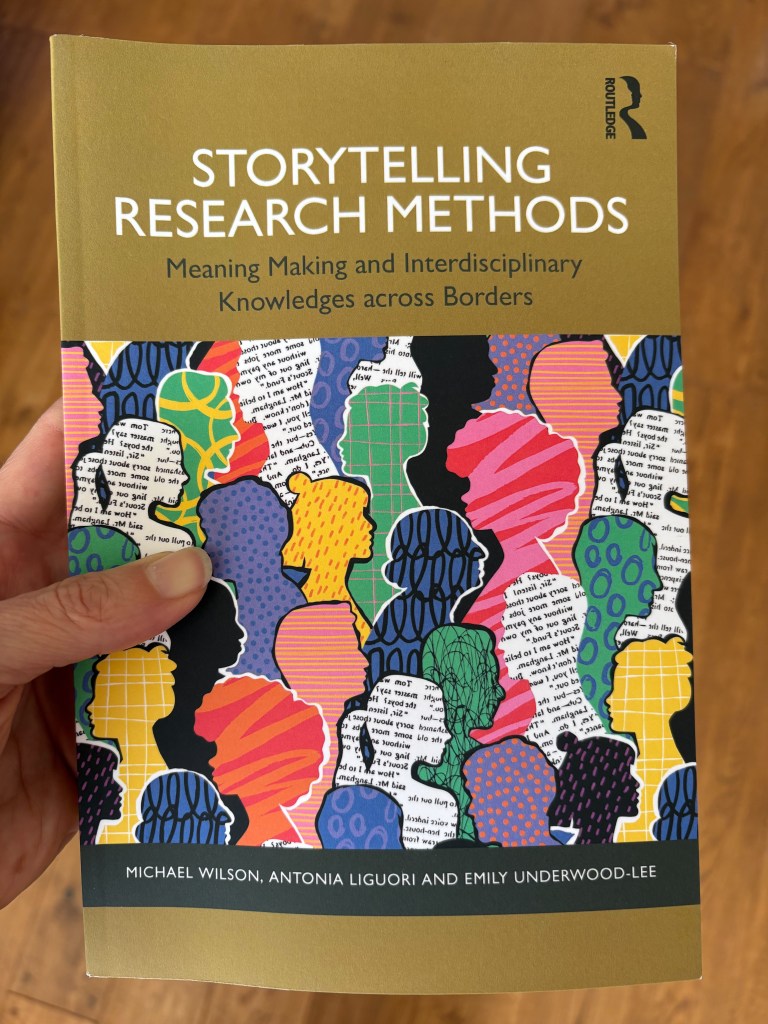
New Book: Storytelling Research Methods. Meaning Making and Interdisciplinary Knowledges across Borders

I am very happy to share the publication of our new book, co-authored with Michael Wilson and Emily Underwood-Lee. This work brings together years of collaboration, experimentation, and dialogue across disciplines, cultures, and research traditions.

Storytelling Research Methods establishes the methods, subject matter, tonal qualities, and philosophical underpinnings of Storytelling Research, while distinguishing it from its close relatives in Narrative Research, Narrative Inquiry, Performance Research, Autoethnography, and Qualitative Methods. The book includes philosophical discussion of Storytelling Research alongside practical advice on how to conduct storytelling research and international case studies from storytellers, scholars, and thinkers from Africa, Asia, Europe, and North America examining how storytelling methods have been used in practice.

For me personally, this book continues an ongoing commitment to participatory storytelling as a way of working across borders – disciplinary, cultural, institutional, and civic – to co-create understanding and imagine more just futures.

More info on Routledge website.