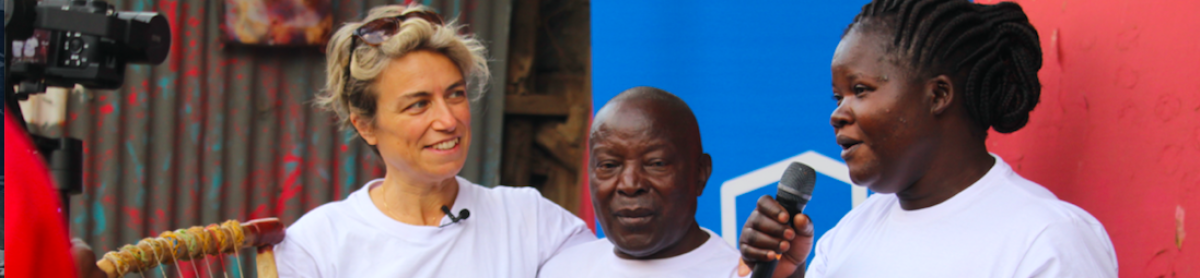
I am excited to highlight Riveting Connections: Exploring Multiple Perspectives for Place-Making Through Mike McGrother’s Musicking Practice, a powerful new documentary that shines a light on the transformative role of music in community building and cultural dialogue.
Through the lens of Mike McGrother’s innovative musicking practice, the film explores how music serves as more than just sound – it becomes a tool for creating meaningful connections, fostering inclusion, and reimagining the spaces we inhabit. This documentary invites viewers to consider how diverse perspectives can come together through creative practice to shape our shared environments.
Whether you are a community organizer, artist, educator, or simply someone passionate about music and social impact, Riveting Connections offers inspiring insights into the ways that music can enhance place-making and strengthen social bonds.
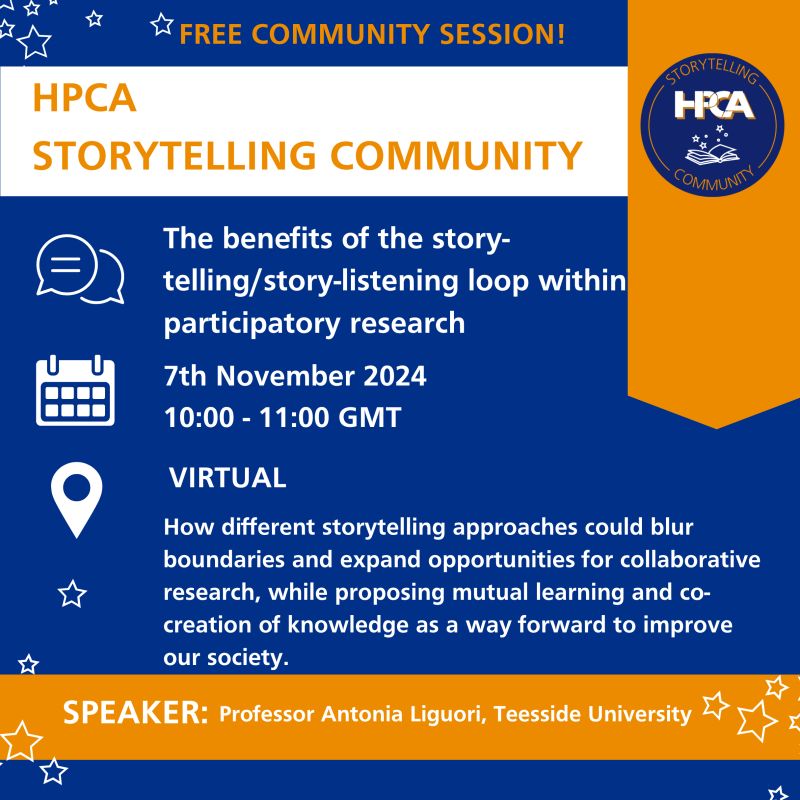
I am delighted to join the Healthcare Project and Change Association – HPCA for the november webinar with a talk on “The benefits of the story-telling/story-listening loop within participatory research: exploring diverse experiences and methods for the co-production of knowledge”.
Please read the abstract below and register to this event via this link.
Storytelling has been defined as ‘the artform of social interaction’ (Wilson, 2021), not only for its inner dynamics, but also for its power to unlock grass-roots knowledge, explore dilemmas, develop community resilience, and engender change. In a time when academia and cultural institutions are being challenged to encourage broader engagement with diverse knowledges, practices that support shared knowledge and co-creation become important. Stories can generate empathy and trust among diverse communities and audiences and at the same time demonstrate their usefulness due to their power to give meaning to human behaviours and to trigger emotions (Bourbonnais and Michaud, 2018).
In this talk we acknowledge the existence of multiple truths when we recognise, as the Nigerian novelist Chimamanda Ngozi Adichie observes, ‘the danger of a single story’ (2009). As she describes, ‘because our lives and our cultures are composed of a series of overlapping stories, if we hear only a single story about another person, culture, or country, we risk a critical misunderstanding’. In a time of worrying ‘critical misunderstandings’ worldwide, this talk – linked to the soon to be published by Smithsonian Scholarly Press open access book ‘Story Work for A Just Future’ edited by Antonia Liguori, Philippa Rappoport, Daniela Gachago – explores the value of co-created “Story work”.
In particular, we will focus on how different storytelling approaches could blur boundaries and expand opportunities for collaborative research, while proposing mutual learning and co-creation of knowledge as a way forward to improve our society.
Key questions prompted by this talk are:
How do we make the digital storytelling practice further expand globally in a way that is both locally-tailored-led-owned, but also coherent with the original ethos? Is co-creation an infallible antidote to exclusion and marginalization? Can we determine when digital storytelling ends and a new practice starts, if they are based on the same ethos?
The University of Otago, New Zealand, just published on their YouTube channel the video recording of one of the seminars I gave during my visit in April.
Seminar hosted by the University of Otago, Wellington, New Zealand, April 2024
You can read the abstract of the presentation here:
The benefits of the story-telling/story-listening loop within participatory research
Participatory storytelling is an enriching and powerful research approach that enables the researcher and the participant to shift power dynamics and establish new ways of working to achieve (together!) more meaningful and long-lasting results. Storytelling is an effective way for people to connect, share knowledge, and generate change. Even more when the story-telling/story-listening loop is prioritised during this creative process. As our world becomes more diverse, it is crucial for academia and cultural institutions to promote engagement with different perspectives. Stories have a unique power to build empathy, trust, and understanding among communities. However, it is important to recognise that there isn’t just one truth or perspective. Like Nigerian author Chimamanda Ngozi Adichie says, “relying on a single story can risk a critical misunderstanding”.
In this seminar, we’ll explore the concept of co-created “Story Work” and how it involves collaborating to create stories that reflect diverse experiences and truths. We’ll also look at how storytelling can be used in research to foster engagement and inform practice and policy.
This seminar aims to address these questions:
How can digital storytelling be adapted globally while staying true to local values?
Is collaborative storytelling a solution to exclusion and marginalisation?
How do we differentiate between different storytelling practices while maintaining their ethos and core principles?
In this piece we reflect on our process of coming together as an interdisciplinary and inter-professional team to challenge pre-conceived meanings and assumptions when ‘talking about’, ‘designing’ and ‘doing/facilitating/delivering(!)’ community engagement activities around environmental issues.
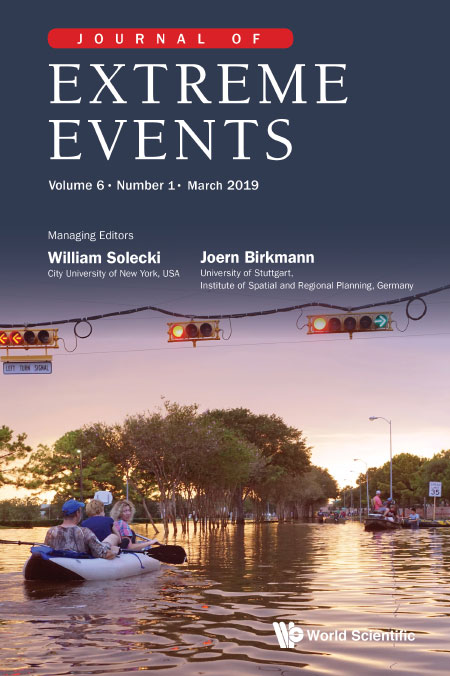
This paper proposes a critical reflection on the use of language to address the challenge of promoting and supporting civic agencies in adaptation to increasing extreme weather risk. Such reflection needs to focus on the opportunities and limitations of language, and the navigation amongst multiple or contested meanings within interdisciplinary and inter-sectorial collaborations. This commentary was inspired by the authors’ conversations on their journey in writing the paper — Liguori et al. (2023) “Exploring the uses of arts-led community spaces to build resilience: Applied storytelling for successful co-creative work” and the impact it had on their understanding of various language systems. Here writing was conceived as a form of networking, undertaking a sequence of intimate, in-depth discussions in a safe space. ‘Playing’ with words, moving out from our disciplinary homes, provided a fertile way of thinking within multi/inter-sectorial/disciplinary conversations to expand the language system for meaningful community engagement around local climate adaptation. Three key terms were at the core of these diverse — and sometimes divergent — ways of looking at social preparedness for extreme weather events: disruption, empowerment, and creative ecosystem. The meta-reflections, based on iterative conversations around these three key terms, highlight the importance of explorations of language as a generative meaning-making process that can be boundary-spanning.
There is significant value in understanding the implications of language used in public engagement — its different interpretations, their loading and potential for transformed thinking when conceived creatively. Such insight can contribute to more effective approaches for participatory research and practice working with communities when addressing issues related to climate adaptation. This commentary argues that the socially engaged or participatory arts are particularly well placed to be active in such processes.
 Antonia Liguori / Participatory Storytelling