Digital Storytelling as a Tool for Everyday Activism

On Saturday the 22nd of November I’ll be joining the The Federation
for Detached Youth Work
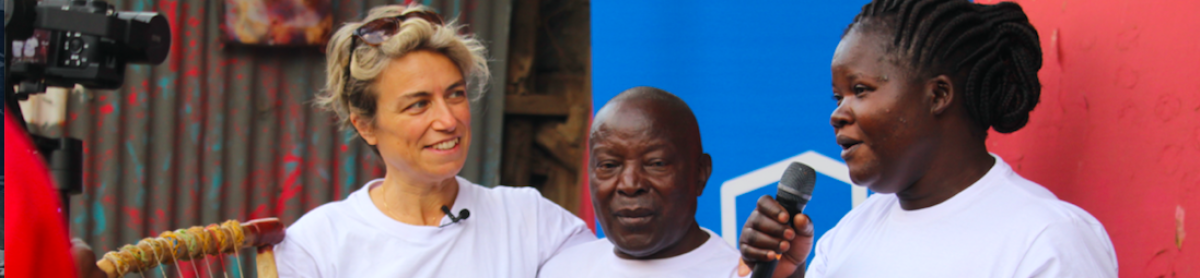
annual conference in Leeds for a plenary talk exploring ways in which Digital Storytelling can be applied as an approach for everyday activism. The conference theme this year is Detached Youth Work in the Digital Age.

Digital Storytelling combines the traditions of sharing personal narratives with creative digital methods to amplify unheard voices and ‘gently disrupt’ dominant knowledge systems. Over a five-step process – story-circle, scripting, audio recording, video editing, and screening – participants craft two-minute videos merging images and voiceover.
Rooted in facilitated peer exchange, this approach encourages empathy, mutual learning, and a deeper understanding of complexity and difference, making it an effective method for practicing everyday activism and fostering dialogue even amid disagreement.

For more information on the event: https://www.fdyw.org.uk/
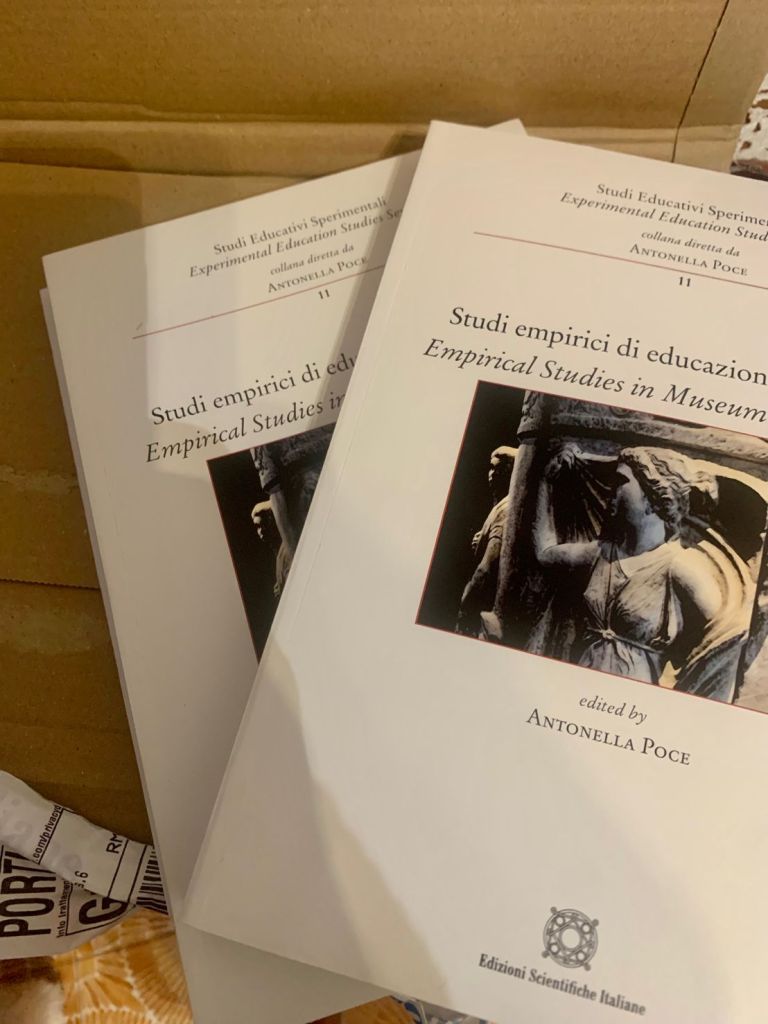
New publication: Co-designing a Digital Storytelling Toolkit to Improve Youth Mental Wellbeing

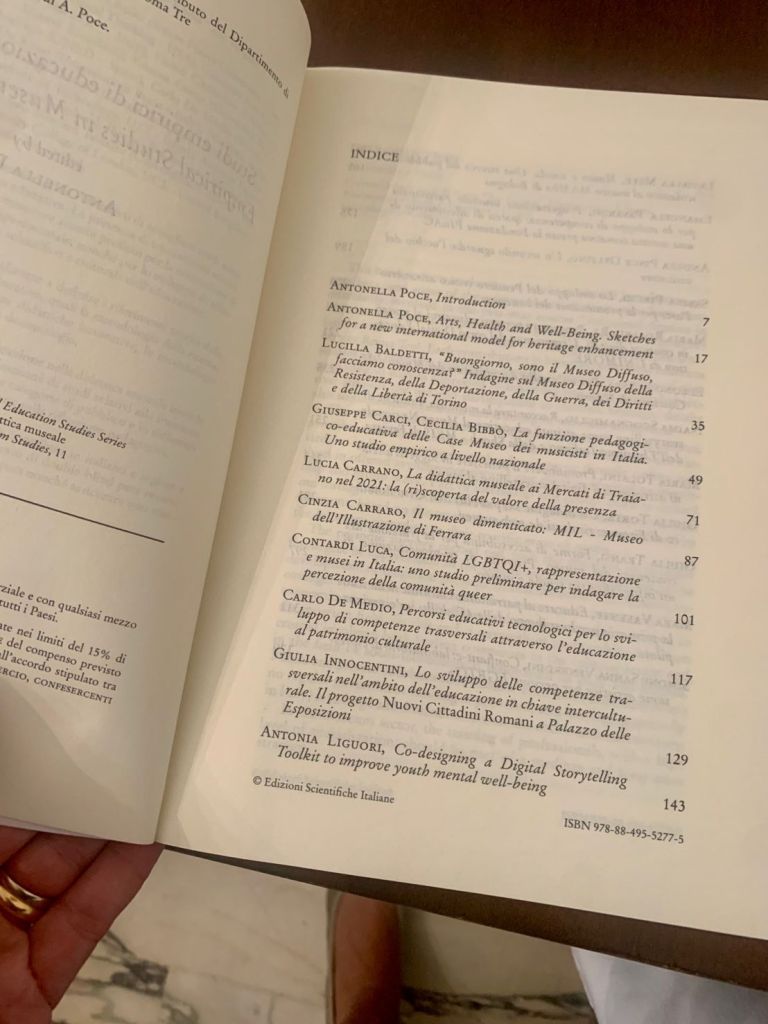
Grateful and delighted to have contributed a chapter on co-designing a digital storytelling toolkit for personal and collective wellbeing to this very interesting new volume on museum education edited by Prof Antonella Poce (Università di Roma Tor Vergata).

Please, read the abstract below.

Social interaction between peers is an essential factor in the development of an inclusive practice within formal and non-formal Education, aiming at increasing individual and collective well-being. Starting from this premise, Digital Storytelling was identified as the core methodology of this research, considering the key values of its original model and its flexibility as a participatory practice that enhances creativity and collaboration in a context in which mutual learning and peer support are prioritised. Considering the ongoing global challenge of funding mental health services, there is fertile ground for innovation, especially in the area of creative, online approaches to mental health literacy and healthy relationships among young people.
This paper explores the potential of applying participatory approaches, co-design techniques and digital storytelling as mixed methods to support youth mental well-being.

Please, cite as: Liguori, A., Co-designing a Digital Storytelling Toolkit to Improve Youth Mental Wellbeing, in Poce, A. (ed) Empirical Studies in Museum Education 3, E.S.I. – Edizioni Scientifiche Italiane, pp.143-160, ISBN: 978-88-495-5277-5.

Mental health and wellbeing: DS Toolkit for peer support

An exciting collaboration between young people, researchers and Mental Health Foundation UK.

A Digital Storytelling Toolkit was co-designed by a group of teen-agers and a team of researchers from the Storytelling Academy (Loughborough University) led by Antonia Liguori, in collaboration with Mental Health Foundation UK.

The Digital Storytelling Toolkit has been designed to help young people have better conversations around mental health and wellbeing.
Using insights we gained during a series of six storytelling workshops with students ages 13-16, researchers from Loughborough University have developed this resource to help young people talk about mental health and wellbeing in smaller groups.

When done mindfully, discussing the provided materials and prompts in groups can help them improve their sense of connection and belonging, as well as their self-awareness.

You can access the Digital Storytelling Toolkit via this link: https://digitalstorytellingtoolkit.uk/

This collaboration was supported by the Erasmus+ project SOLIS – DEVELOPING WELLBEING AND SOCIAL INCLUSION