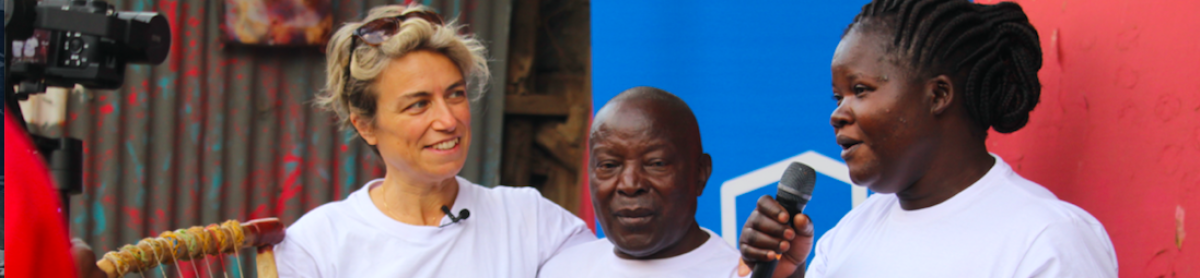
On Monday the 15th of June at 4pm CEST (3pm UK time), I have contributed to an international webinar hosted by the TransPath Project, exploring a topic that has been central to my research and practice for many years: storytelling as a transformative practice.
This session brings together an interdisciplinary and international community to reflect on the relationships between people, water, and transformation, three deeply interconnected dimensions that invite us to reconsider how we engage with place, environment, and collective futures.
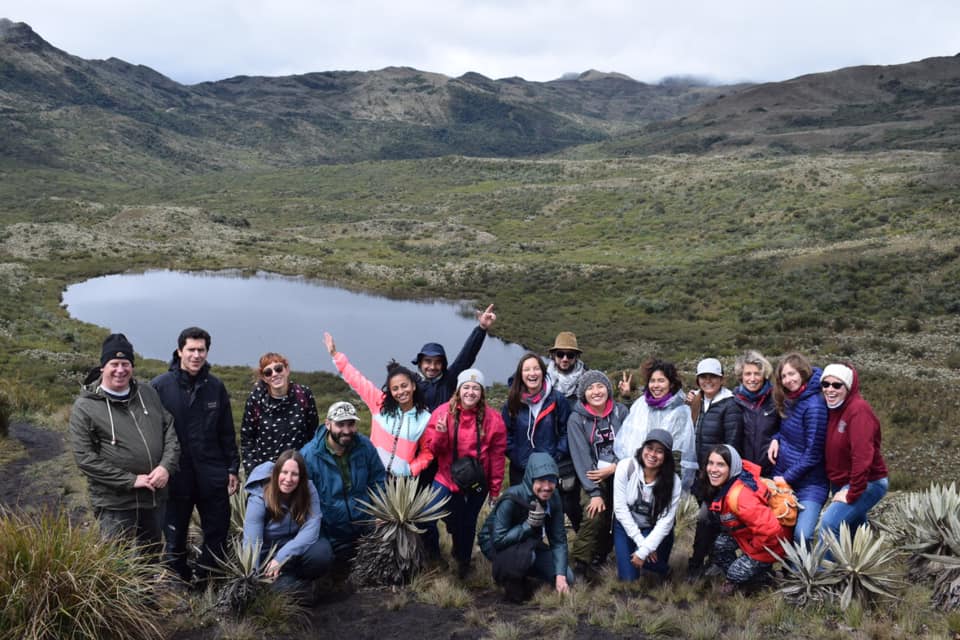
during a PARAMO project workshop in 2019
Beyond storytelling as representation
In much of my work, storytelling is not approached simply as a means of representation or communication. Instead, it is understood as a relational and participatory process that enables individuals and communities to make sense of their experiences, negotiate meaning, and imagine alternative possibilities.
Storytelling becomes transformative when it:
- Creates spaces for voice and listening, particularly for under-represented perspectives,
- Supports co-creation and shared authorship, rather than extractive narratives,
- Acts as a catalyst for reflection, dialogue, and action.
In this sense, storytelling is not just about telling stories, it is about shaping relationships and enabling change.
From theory to practice: a collaborative approach
In line with this perspective, the TransPath webinar will not take the form of a traditional lecture. Instead, participants will be invited to engage in a hands-on, collaborative activity.
Together, we will explore:
- What storytelling means across different cultural and disciplinary contexts,
- How visual and digital storytelling methods can support engagement with complex societal challenges,
- How collective storytelling practices can open up new ways of thinking about transformation.
This approach reflects a broader commitment in my work to participatory methodologies, where knowledge is co-produced, and learning emerges through doing, reflecting, and sharing.
During the session a dedicated Smithsonian Learning Lab collection is used to share material and prompt conversations. The collection is accessible via this link: https://learninglab.si.edu/q/ll-c/At7HgbB4WReMXnhV
Storytelling, water, and transformation
The thematic focus of the session offers a particularly rich lens through which to explore storytelling.
As I learned from previous projects I was involved in (such as DRY and PARAGUAS, in particular), water is at once material and symbolic: it connects geographies, sustains life, and carries cultural, historical, and emotional meanings. At the same time, it is increasingly at the centre of urgent global challenges, from climate change to questions of access, equity, and sustainability.
Engaging communities in storytelling around water can:
– Surface local knowledge and lived experience,
– Reveal hidden or contested narratives,
– Support more inclusive and context-sensitive approaches to policy and practice.
Whether you are working in research, policy, creative practice, or community engagement, I hope this session offered a space to reflect on your own relationship with storytelling and how it might inform your work.
More importantly, I hope it has encouraged a shift in perspective: from storytelling as a tool we use, to storytelling as a practice we inhabit together.

