If you are interested in participatory storytelling and the role of AI within the cultural heritage sector – and you speak Italian – this webinar could be an interesting opportunity to share ideas, think together about co-creation and explore current case studies and future research.
You can read below the post just shared by the organisers in Italian.
On the 30th of April we are facilitating our first digital storytelling workshop for the new project Flippin’ Pain through Storytelling funded by AHRC Impact Acceleration Account (IAA), Teesside University.
What is this project doing?
Persistent pain effects 30-50% of the UK and is the biggest cause of disability. Public misconceptions about pain are common and a significant barrier to good management leading to the development and maintenance of the condition. This project is seeking to address these public misconceptions by improving public understanding through Storytelling. We will organise Digital Storytelling workshops to support the co-creation of short films in which participants will reflect on their pain journey. These films will be shared at public events and on online platforms to increase public awareness on pain management by amplifying lived and living experiences of pain.
Why is it needed?
The Flippin’ Pain campaign – a key partner of this project – is both a national and regional award-winning public health campaign, collaborating with Teesside University to improve public understanding. The campaign has reached over 100,000 people through public engagement activities, but it has struggled to engage with people from more disadvantaged communities. This project will help to address this problem the campaign has been having.
After last week’s seminar at London School of Economics and Political Science, where I had the privilige to share my experience in applying digital storytelling as a praticipatory research approach with a group of brilliant researchers based at this world-leading social science specialist university, just awarded University of the Year 2025, this week I am delighted to join the Reflective practice in applied storytelling network as one of their speakers.
On Tuesday the 25th of February from 10:00 to 11:30 UK time, I’ll be talking about The benefits of co-facilitation within digital storytelling. In particular I will focus on a number of co-facilitation techniques that can enhance active listening and co-creation within the conventional digital storytelling process.
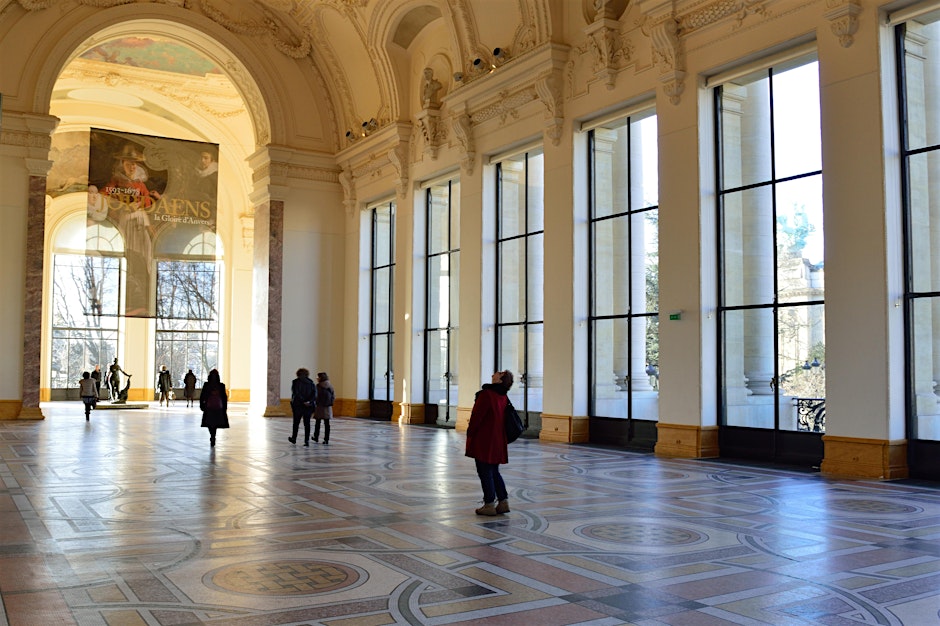
As a member of the Advisory Board, I will join the Digital-Spektrum project team for a workshop at the Petit Palais in Paris, on Friday 24 January from 14:00 to 17:00 CET, to explore Digital Storytelling as an inclusive approach for audience engagement.
The priority of the Digital-Spektrum project is to promote inclusion, diversity, and accessibility in all areas of education, particularly educational experiences that take place in museums. One of the main objectives of the Digital-Spektrum project is to provide museum staff with digital skills to design inclusive museum experiences with and for people with Autism Spectrum Disorder (ASD).
The call for proposal to participate to the next International Digital Storytelling Conference, hosted by the Museu da Pessoa in Brazil from the 6th to the 8th November 2025, has just been published.
There is time until the 15th of February to submit a proposal and you can read all the key information below.
The conference theme, Lives, Voices, and Knowledge in a World on Fire, focuses on the climate crisis and the many ways storytelling can help us think about, observe, and address the interconnected challenges reshaping our world. The gathering invites us to examine how storytelling can drive meaningful dialogue and action around the intersecting crises that define our era.
To frame your proposals we encourage you to consider these thematic tracks. These tracks represent key lenses for exploring how personal narratives, collective experiences, and shared knowledge can inform and inspire action in response to the world’s most pressing social and environmental challenges: